
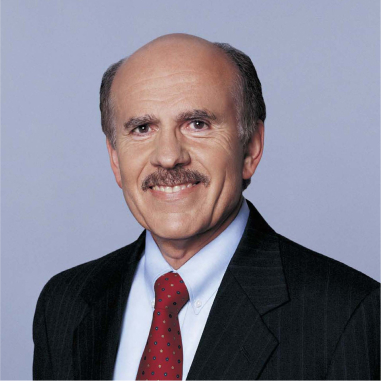
A native of Brooklyn, New York, Dr. Ignarro studied chemistry and pharmacy at Columbia College (1958-1962) before earning his doctorate in Pharmacology at the University of Minnesota (1966). In 1968, he completed a postdoctoral fellowship in chemical pharmacology at the National Institutes of Health. Upon completing his fellowship, Dr. Ignarro was recruited by Ciba-Geigy Pharmaceuticals in NY to lead the company’s biochemical and anti-inflammatory program. His work led to the development and marketing of diclofenac (VoltarenR). In 1973, he left the drug industry to pursue a career in academia.
As professor at the Tulane University School of Medicine, Dr. Ignarro began his basic research into nitric oxide and its relationship with the cyclic nucleotide cyclic GMP. He later joined the faculty at the UCLA School of Medicine in 1985 to continue his basic research on nitric oxide and cyclic GMP. In 1993, Dr. Ignarro became Distinguished Professor of Pharmacology at UCLA School of Medicine, where he serves as professor emeritus in the Department of Molecular and Medical Pharmacology. At UCLA, he excelled as both a research scientist and a professor, winning eleven consecutive Golden Apple teaching awards from his medical students.
His numerous discoveries, including that nitric oxide relaxes vascular smooth muscle, is responsible for the mechanism of action of nitroglycerin, is biosynthesized in mammalian cells, and is responsible for erectile function have led to significant advancements in cardiovascular science and the understanding of heart disease. His pivotal discovery that nitric oxide is the neurotransmitter responsible for penile erection and sexual arousal led to the development of sildenafil or ViagraR. He is often referred to as the “Father of Viagra.”
Dr. Ignarro was awarded the 1998 Nobel Prize in Physiology or Medicine, along with Robert F. Furchgott and Ferid Murad, “for their discovery that nitric oxide acts as a signaling molecule in the cardiovascular system”. He also has received the American Heart Association’s Basic Research Prize and Distinguished Scientist Award “for the advancement of cardiovascular science”, the Roussel UCLAF Prize in France “for cell communication and signaling”, the CIBA Award for Hypertension Research, the Canadian Medal of Merit, and the Golden Plate Award “for outstanding contributions in cardiovascular research”.
A prolific scholar, Dr. Ignarro has published numerous articles and books. He is the founder of the Nitric Oxide Society and is a member of the National Academy of Sciences, the National Academy of Medicine, the American Academy of Arts and Sciences, and the American Philosophical Society. He also is well known as a Nutritional Advisory board member for Herbalife International, a global nutrition and weight-management company. Dr. Louis J. Ignarro has devoted his life’s work to advancing heart health around the world. In order to increase public awareness of cardiovascular disease and how to prevent it, he has published three books: NO More Heart Disease; Dr. NO; and The Miracle Molecule for Health and Longevity.


Dennis J. Stuehr received his PhD in Biochemical Toxicology at The Massachusetts Institute of Technology in 1987, where he identified the first mammalian cell to generate nitrogen oxides. In 1987 he moved to Cornell University Medical College and joined the faculty in 1989, then moved to The Cleveland Clinic in 1991 where he presently is a Professor of Molecular Medicine at the Medical School. He is a founding member of the NO society, the NO Journal, and the NO Gordon Conference. Dr. Stuehr’s research on NO synthase enzymology and how NO regulates heme iron trafficking and protein function has made wide-ranging fundamental contributions toward our understanding of NO in human health and in diseases such as asthma, hypertension, and cancer.

Dr. Lorenzo Berra is an anesthesiologist, intensivist, and clinical scientist whose work bridges respiratory physiology, biomedical innovation, and translational medicine. He is internationally recognized for pioneering the clinical application of inhaled nitric oxide (iNO) and other therapeutic gases, from experimental medicine in animal models to first-in-human and phase I–II clinical trials.
His research has elucidated the protective and antimicrobial properties of nitric oxide in respiratory failure, pneumonia, and perioperative organ injury, helping to define the physiological basis of gas-mediated therapies in critical illness. Dr. Berra has led several landmark studies on iNO for the prevention of acute kidney injury during cardiac surgery, the antimicrobial effects of nitric oxide in bacterial pneumonia, and the use of high-dose iNO in COVID-19 and acute hypoxemic respiratory failure. At the bench, his group has advanced the pioneering biomedical engineering work of Dr. Theodor Kolobow, Dr. Warren Zapol, and Dr. Robert Kacmarek, developing novel respiratory devices including innovative endotracheal tube designs, drug-eluting materials, advanced ventilation modes, plasma-based nitric oxide generators, and inhaled gas delivery systems for spontaneously breathing patients. His team has also implemented integrated bedside monitoring combining electrical impedance tomography and esophageal manometry to guide individualized ventilation. These innovations have reshaped mechanical ventilation practices across the lifespan, from newborns to adults with obesity and acute and chronic respiratory failure, advancing neonatal and adult personalized respiratory care worldwide.
Dr. Berra’s translational research is supported by the National Institutes of Health, Harvard Medical School, philanthropy and multiple industry collaborations. His mentorship program at Harvard Medical School has trained dozens of international physician-scientists who now lead research and clinical programs across the world.
Dr. Berra earned his MD from the University of Milan, trained in an experimental laboratory at the National Institutes of Health under Dr. Theodor Kolobow, and was later recruited by Dr. Warren Zapol to the Department of Anesthesia, Critical Care and Pain Medicine at Massachusetts General Hospital, where he completed his residency and fellowship. He currently serves as Reginald Jenney Associate Professor of Anaesthesia at Harvard Medical School, Medical Director of Respiratory Care at MGH, Mass Eye and Ear, and Shriners Hospital, and is an investigator at the Anesthesia Center for Critical Care Research at MGH.
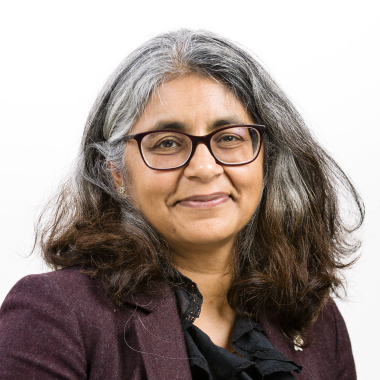
Amrita is a Principal Investigator at Queen Mary University of Londonleading the Vascular Pharmacology Group. She is a translationalpharmacologist taking her basic bench discoveries to the clinicalsetting leading experimental medicine studies and several phase IIaand IIb studies. Her research focuses on understanding the role ofinflammation in cardiac and vascular disease. In particular she has afocus upon defining the role of the non-canonical pathway for NOgeneration i.e. the nitrate-nitrite-NO pathway in sustainingcardiovascular physiology and the potential for therapeutics targetingthis pathway in the treatment of cardiovascular disease. She receivedthe GSK Prize for Clinical Pharmacology (2012) from the BritishPharmacological Society and the Women In Science & Engineering(WISE) Prize for Research UK in 2015 and was awarded Fellowship ofthe Academy of Medical Sciences in 2024. She was recognised forher high impact work being one of the Clarivates most highly citedresearchers in 2023 and 2024.
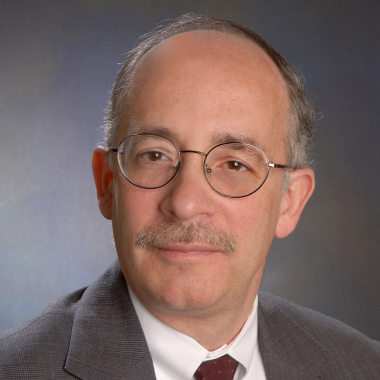
Dr. Loscalzo is the Samuel A. Levine Professor of Medicine and the Hersey Distinguished Professor of the Theory and Practice of Medicine at Harvard Medical School as well as Physician-in-Chief Emeritus, Soma A. Weiss, MD, Honorable Endowed Chair in Medicine, and former Chair of the Department of Medicine at Brigham and Women's Hospital. He is a summa cum laude graduate of the University of Pennsylvania, where he also obtained his M.D. and Ph.D. in biochemistry. He trained ininternal medicine and cardiology at Brigham and Women’s Hospital, after which he was appointed to the hospital staff and Harvard Medical School faculty. After ten years on the Harvard faculty, Dr. Loscalzo moved to Boston University as Director of the Whitaker Cardiovascular Institute and Chief of Cardiology; in 1997, he was appointed Wade Professor and Chair of the Department of Medicine.
In July, 2005, he returned to the Harvard faculty. Author of over 1,200 articles, 54 books, and 33 patents, he is internationally recognized for his work on the vascular biology of nitric oxide, redox biology, systems pathobiology, and network medicine, a field he helped establish. He has received many awards including election to the American Society for Clinical Investigation, the Association of American Physicians, the American Association for the Advancement of Science, National Academy of Medicine, the American Academy of Arts and Sciences, and the Académie Royale de Médecine de Belgique. He holds three honorary degrees. He is the recipient of a MERIT Award from the National Institutes of Health, the Research Achievement Award and a Merit Award from the American Heart Association, the Outstanding Investigator Prize from the International Society for Heart Research, the William Silen Lifetime Achievement Award in Mentoring from Harvard Medical School, and the International Pericle d’Oro Prize.
He is a past member of the Advisory Council of the National Heart, Lung, and Blood Institute, and of the Council of Councils of the National Institutes of Health; has served on several NIH study sections and editorial boards, including the New England Journal of Medicine, and as Editor-in-Chief of Circulation; and is currently Editor-at-Large for the New England Journal of Medicine, a senior editor of Harrison's Principles of Internal Medicine, and the lead editor of Network Medicine: Complex Systems in Human Disease and Therapeutics.
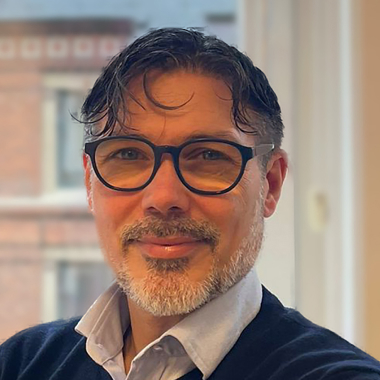
Assocuiate professor of Biochemistry and Leader of the Redox Biology Research Group at the DanishCancer Institute, his research mainly focuses on cancer metabolism, redox regulation, and cell signaling.Guiseppe has mentored and supervised students and postdoctoral researchers at all levels and contributesregularly to the scientific community through peer review and editorial activities.He organized several international scientific meetings in the field of cancer biology and redoxsignaling, and he is a founding member of the International Society for Nitric Oxide in Cancer (ISNOC).he has been invited to give talks at major international conferences including Gordon Conferences,EMBO Workshops, SFRR, and EBSA.
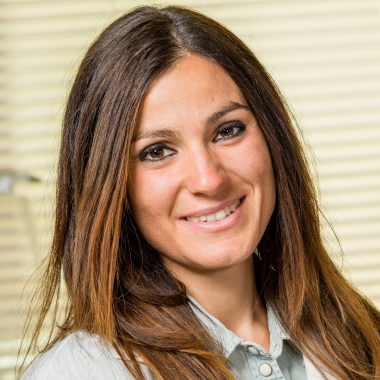
Erika Palmieri obtained a Bachelor and Masters degree in Medical Biotechnologies from the University of Bari“Aldo Moro”, Italy. She then started her PhD in Biochemical and Pharmacological Sciences in the team ofAlessadra Castegna where she focused on examining metabolites as mediators of the inflammatory responseand implementing mass spectrometry (MS)-based methods for metabolic studies, and obtained her PhD in2015. She successfully competed and received a short term fellowship from the European Molecular BiologyOrganization(EMBO) to finish her doctorate work at the VIB Research center in Leuven, Belgium in the groupof Massimiliano Mazzone. As a postdoctoral fellow, Erika Palmieri joined the Cancer and InflammationProgram in the laboratory of Dan McVicar at the National Cancer institute (NCI) in Frederick, Maryland, USAwhere she studied the basic fundamentals of the physiology of macrophages in terms of the metabolic waysand carbon routes preferentially used in pro-inflammatory activation with combinations of metabolomics,expression analysis, biochemical assays, carbon tracing and MS techniques, with a focus on Nitric Oxidebiology. In 2022 she became staff scientist within the Cancer Innovation Laboratory at NCI-Frederick leadingcollaborations intra and inter-NIH institutes on the topic of metabolic reprogramming through analysis by MS.Dr. Palmieri is a recipient of many awards from societies of biochemistry and immunology as well as of theNIH Fellows Award for Research Excellence (FARE) and of the empowerment award from Females in MassSpectrometry (FeMS). In her academic and research career, she authored and co-authored multiplepublications in studies of energetics in physiological and pathological conditions, which have been crucial foradvancing the immunometabolism field.
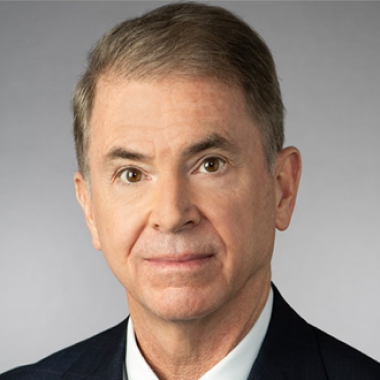
Dr. Timothy Billiar is the George Vance Foster Professor and Chair, Department of Surgery, Associate Senior Vice Chancellor for Clinical Academics, University of Pittsburgh, Executive Vice President and Chief Scientific Officer UPMC
Timothy R. Billiar, M.D. received his medical degree from the University of Chicago in 1983. He then completed training in general surgery at the University of Minnesota and the University of Pittsburgh. This included a four-year research training fellowship.
In 1992, Dr. Billiar joined the faculty of the Department of Surgery University of Pittsburgh as an acute care trauma surgeon. Since 1999, Dr. Billiar has served as Chair of the Department of Surgery at the University of Pittsburgh and the George Vance Foster Endowed Chair. In 2021 he was named Executive Vice President and Chief Scientific Officer for UPMC and Associate Senior Vice Chancellor for Clinical Academics, University of Pittsburgh. He has a long standing interest in the mechanisms leading to immune and organ dysfunction after trauma and sepsis. His laboratory has made several contributions to the nitric oxide field including ongoing research on the role of nitric oxide in the pathogenesis of liver cancer. Dr. Billiar’s laboratory has been continuously funded by the National Institutes of Health since 1989.
Dr. Billiar is past President of the Society of University Surgeons, the Nitric Oxide Society, the Surgical Infection Society, and the Shock Society, USA and is current President of the International Federation of Shock Societies. In 2006, Dr. Billiar was inducted into the National Academy of Medicine, USA and in 2011 was named Distinguished Professor of Surgery at the University of Pittsburgh. He is also past recipient of the Medallion for Scientific Achievement from the American Surgical Association and the Lifetime Achievement Award from the Society of University Surgeons.
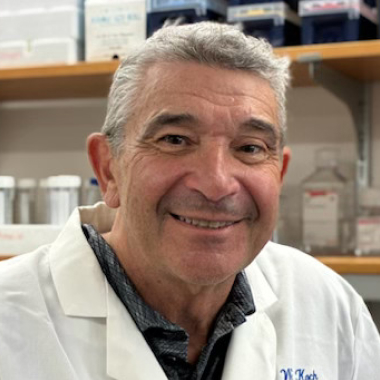
Dr. Walter J. Koch recently re-joined the faculty at Duke University School of Medicine in the Departments of Surgery and Medicine. From 2012-2023 he was the William Wikoff Chair in Cardiovascular Medicine at the Lewis Katz School of Medicine at Temple University and Chair of the Department of Pharmacology and Director of the Center for Translational Medicine. Dr. Koch started his career at the University of Cincinnati College of Medicine where he received his PhD in Pharmacology and Cell Biophysics 1990 under the mentorship of Dr. Arnold Schwartz. He went to Duke University Medical Center and the Howard Hughes Medical Institute as a postdoctoral fellow(1990-1994) in the lab of Dr. Robert J. Lefkowitz (Nobel Prize in Chemistry, 2012). He then was recruited to start a molecular cardiovascular biology laboratory in the Department of Surgery at Duke in1995 and advanced to tenured Full Professor in 2001. In 2003 he was recruited to lead the newly established Center for Translational Medicine at Thomas Jefferson University and successfully built that Center before moving it to Temple in 2012. In August, 2023 he moved his lab back to Duke to continue his research. The Koch lab studies molecular mechanisms for cardiac injury and repair focusing on G protein-coupled signaling in the heart and also development of novel molecular strategies to repair the heart including gene therapy. His research work has revealed the novel roles G protein-coupled receptor kinases (GRKs) play in cardiac injury and repair. He has shown proof of concept with gene therapy and now with small molecules that inhibiting GRK2 and GRK5 are novel therapeutic strategies in pre-clinical models of heart failure that is moving towards translation. More recent work has shown that GRK2 can be involved in the secretome of cardiomyocytes that communicate with distant organs including adipose.
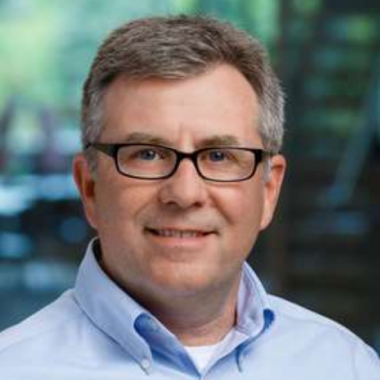
Dr. Corbett received his BS degree from St. Norbert College and completed his PhD in Biochemistry from Utah State. He did a Post-doctoral Fellowship at Washington University and then joined the faculty of Saint Louis University in 1995 as Assistant Professor in the Department of Biochemistry and Molecular Biology. In 2005, was appointed Professor of Biochemistry. In 2007, Dr. Corbett moved to the University of Alabama, Birmingham where he directed the Comprehensive Diabetes Center as the Nancy R. and Eugene C. Gwaltney Family Endowed Chair in Juvenile Diabetes Research and Professor in Medicine. In 2010, Dr. Corbett, joined the Medical College of Wisconsin as Professor and Chair of the Department of Biochemistry and is currently an Eminent Scholar at MCW. He has served on multiple Editorial Boards, Associate Editorships, and NIH Study Sections. Dr. Corbett has also provided community service as a member of the Board of Trustees of St. Norbert College, the Medical College of Wisconsin, and Chair of the Shaw Scholar award for the Greater Milwaukee Foundation. Research programs in Dr. Corbett’s laboratory are focused on understanding how oxidants signal in pancreatic beta cells, and the pathways associated with the loss of functional beta cell mass during diabetes development.
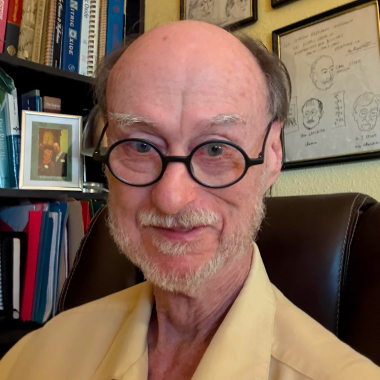
Dr. Lancaster grew up on a farm in West Tennessee and received his BSc. (Chemistry) and Ph.D (Biochemistry) degrees at the University of Tennessee. After postdoctoral studies at Cornell and Duke Universities he joined Utah State University, University of Pittsburgh School of Medicine, LSU Medical Center, and University of Alabama at Birmingham.
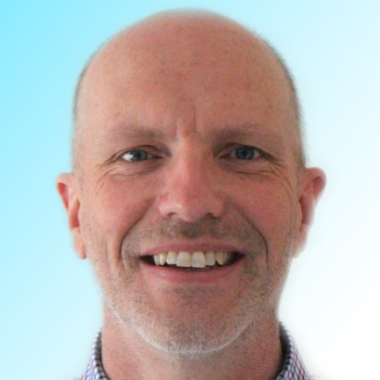
After a BSc in Chemistry and a PhD in bioinorganic chemistry at UEA, Nick was an EMBO Fellow at Lund University, Sweden before being appointed to the faculty at UEA in 1999. He is currently professor of Biological Chemistry and Deputy Head of the School of Chemistry, Pharmacy and Pharmacology. He has worked in metalloprotein biochemistry for ~30 years and in 2018 received the Joseph Chatt Award from the Royal Society of Chemistry (RSC) in recognition of his work on bacterial iron-sulfur (Fe-S) cluster regulators, including sensors of nitric oxide alongside other important cues such as O2, iron and redox balance. In addition, he has studied a range of other metallo-systems, including metal uptake and release mechanisms in iron storage and copper trafficking proteins. From 2014-2022, he was Chair of the RSC’s Inorganic Biochemistry Discussion Group (IBDG), which promotes the interests of the bioinorganic chemistry community in the UK.

Dr. Magliato is one of the few female cardiothoracic surgeons in the world. She founded and directed a MultidisciplinaryWomen’s Health Center to address the cardiac needs of female patients at Providence Saint John’s Medical Center in SantaMonica, CA, where she is currently on staff. Prior to joining Saint John’s Medical Center, Dr. Magliato was a heart/lungtransplant surgeon and Director of the Mechanical Assist Device/Artificial Heart Program at Cedars-Sinai Medical Center inLos Angeles.
Dr. Magliato received a Bachelor of Science degree in Biochemistry at Union College in Schenectady, New York where shegraduated with Cum Laude honors. She served on the Union College Board of Trustees for 12 years after which shereceived an Emeritus board member status. After earning her medical degree with Alpha Omega Alpha honors from CaseWestern Reserve University in Cleveland, Ohio, Dr. Magliato completed an internship and residency in general surgery atAkron General Medical Center. Further postgraduate training included a research fellowship in thoracic organtransplantation at the University of Michigan Medical Center (Ann Arbor) and a cardiothoracic surgery residency at LoyolaUniversity Medical Center (Chicago). Dr Magliato also completed a fellowship in heart transplantation, lungtransplantation, and ventricular assist devices at the University of Pittsburgh Medical Center. In 2006, she earned anExecutive MBA from the UCLA Anderson School of Management.
Dr. Magliato’s areas of expertise include congestive heart failure, heart transplantation, lung transplantation, heart disease in women and artificial heart technology. She has served as a consultant to a wide array of biomedical technology companiesincluding start-up ventures, privately held companies and mature public companies. She holds 24 patents in 16 countries ona cardiac diagnostic medical device that is under development by her company, Cordex Systems Inc., where she serves asFounder, CEO and CMO. In October of 2017, Dr. Magliato was recognized by Goldman Sachs as one of the 100 MostIntriguing Entrepreneurs in the US. In 2024, Cordex won the pitch contest at the Cardiovascular Tech Forum at Octane andapplied to and was accepted to present at the Life Science Intelligence (LSI) Med Tech Forum.
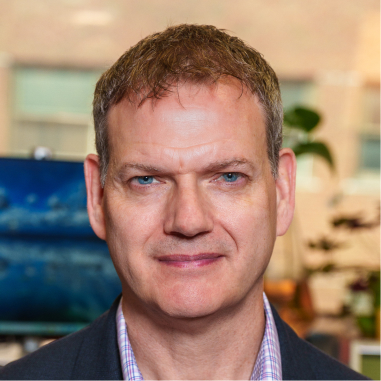
Douglas Thomas, Ph.D., is a Professor in the Department of Pharmaceutical Sciences at the University of Illinois at Chicago. With over 30 years of research experience in free radical biology, his work addresses fundamental questions regarding the roles of redox chemical biology in cancer and other diseases. Dr. Thomas is a pioneer in the field of nitric oxide (NO) and epigenetics. His current research program focuses on how the free radical signaling molecule NO regulates gene expression in cancer. His laboratory's contributions include demonstrating that dinitrosyliron complexes are the largest pool of cellular NO adducts and that these complexes produce distinct phenotypic outcomes in cells. His recent mechanistic studies were the first to reveal that NO is an endogenously produced epigenetic and epitranscriptomic regulator, uncovering a critical new aspect of NO signaling. He has held numerous leadership positions, serving as President of the Nitric Oxide Society (2018–2025), a council member for the Society for Redox Biology, and Chair of the 2018 Oxygen Radicals Gordon Conference. He is the Editor-in-Chief for Biological Chemistry and serves on the Editorial Board of the Journal of Biological Chemistry. Throughout his career, Dr. Thomas has mentored over 70 undergraduate, Master's, Pharm.D., and Ph.D. students. His expertise is built on a strong background inmolecular and clinical pathology, including Postdoctoral training in cancer biology at the National Cancer Institute (NCI).
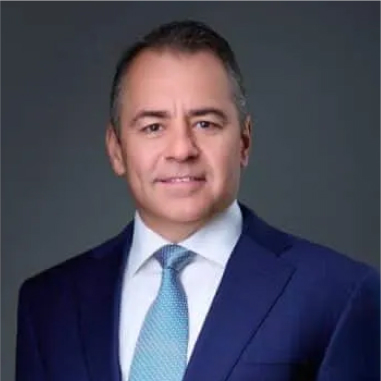
Nathan Bryan earned his undergraduate Bachelor of Science degree in Biochemistry from the University of Texas at Austin and his doctoral degree from Louisiana State University School of Medicine in Shreveport where he was the recipient of the Dean’s Award for Excellence in Research. He pursued his post-doctoral training as a Kirschstein Fellow at Boston University School of Medicine in the Whitaker Cardiovascular Institute. After a two year post-doctoral fellowship, in 2006 Dr. Bryan was recruited to join faculty at the University of Texas Health Science Center at Houston by Ferid Murad, M.D., Ph.D., 1998 Nobel Laureate in Medicine or Physiology.
Dr. Bryan has been involved in nitric oxide research for the past 18 years and has made many seminal discoveries in the field. These discoveries and findings have transformed the development of safe and effective functional bioactive natural products in the treatment and prevention of human disease and may provide the basis for new preventive or therapeutic strategies in many chronic diseases. His many seminal discoveries have resulted in over a dozen issued US and International patents. He is also a successful entrepreneur who has successfully commercialized his nitric oxide technology. Dr. Bryan has published a number of highly cited papers and authored or edited 5 books. He is an international leader in molecular medicine and nitric oxide biochemistry.